A Data Center Designed Around Biomass Power

What if your data center didn’t start with the grid—but with on‑site power generation?

This case study explores how SSOE designed a next‑gen Tier III-ready data center around an integrated biomass power plant—using power strategy as the primary design driver.

From waste‑heat reuse and alternative water sourcing to AI‑ready scalability and a repeatable, portfolio‑ready framework, this project rethinks how data centers can be planned in power‑constrained markets.

Discover how a facility was designed to scale—without retrofitting around utility limitations—and what this power‑first approach could mean for your next data center.
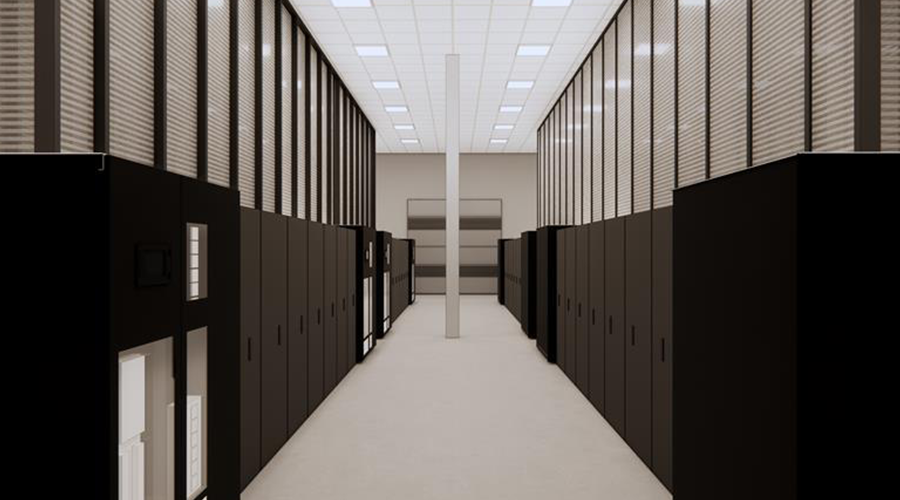
From Vision to Reality: A Case Study in Power-First Data Center Design

Part One: The Project


What We Achieved

What if a data center’s power strategy didn’t start with the grid, but with biomass? That was the fundamental question that drove our design approach for this groundbreaking greenfield co-location data center project.

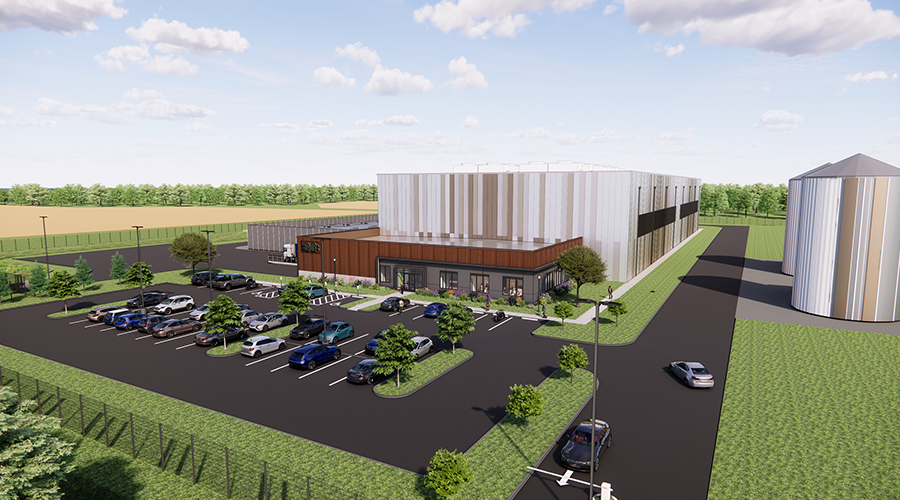
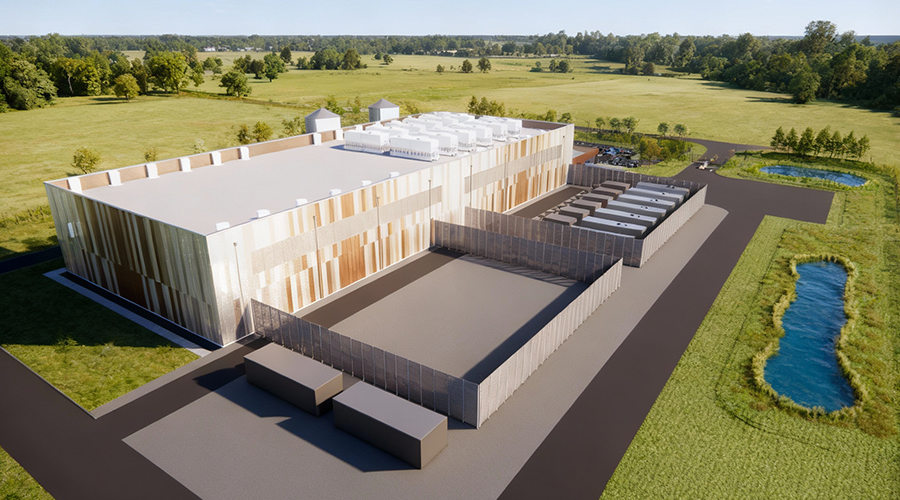
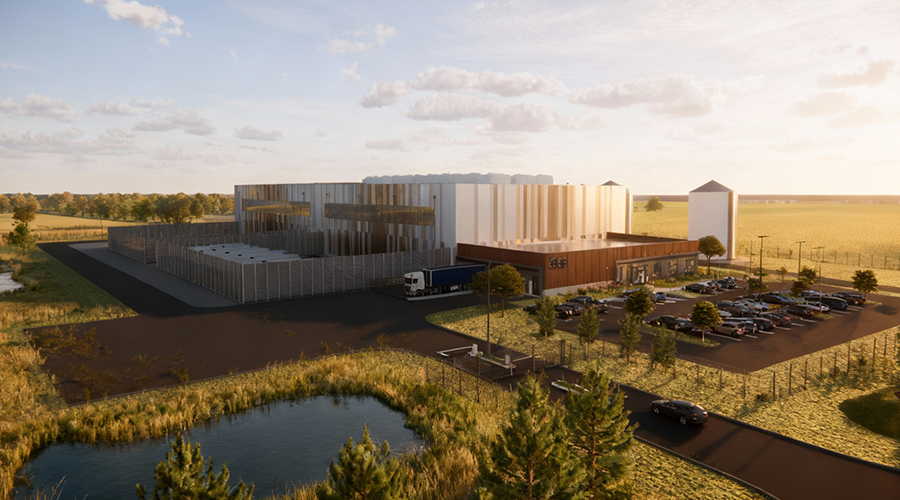
SSOE designed a data center around an integrated biomass power plant, positioning on-site power generation as a foundational design input driver rather than a downstream utility constraint. We established power availability, thermal strategy, water use, and scalability early in the planning process to support long-term reliability, resilience, and expansion in a power-constrained market.

Collaborative Power Integration

Working closely with an energy partner, SSOE aligned the data center’s architecture and engineering systems with the operational characteristics of the biomass facility. This collaborative approach shaped infrastructure decisions from day one, allowing our project team to plan capacity, redundancy, and future growth without retrofitting around limited utility access.

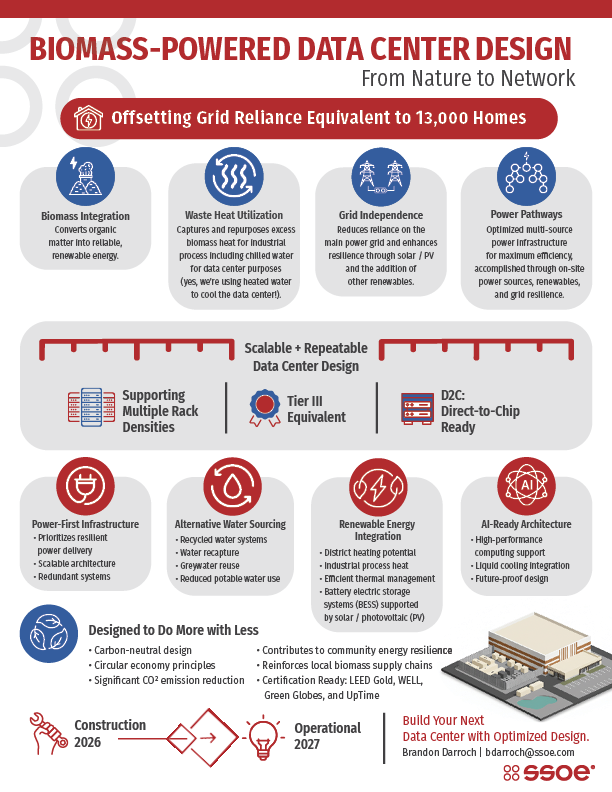
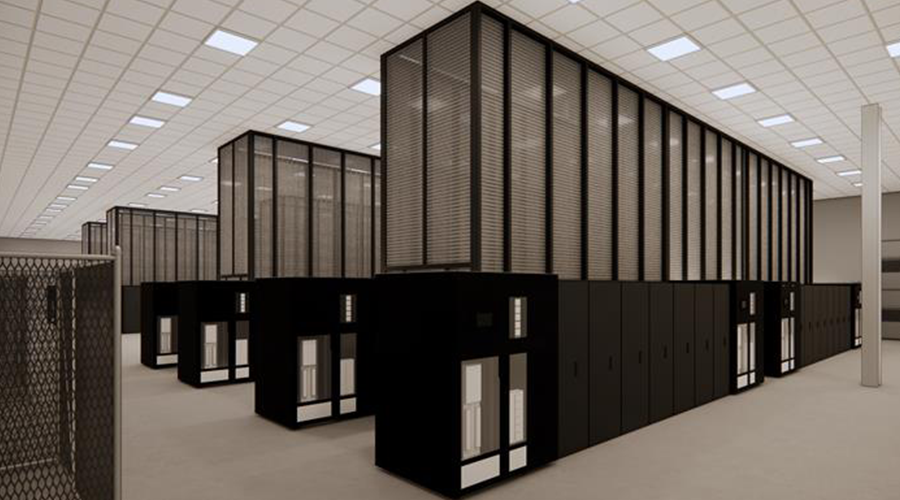
The result was a facility designed to launch with scalable capacity across multiple site locations. We engineered the infrastructure to support cabinet densities, direct-to-chip (D2C) ready, with provisions for future AI rack deployments of varying densities. The facility is designed to align with Uptime Institute Tier III performance objectives for concurrent maintainability and uptime.

A Repeatable Design Framework

SSOE developed a flexible, repeatable design framework intended for deployment across multiple locations. While we tailored architectural and engineering solutions to site-specific conditions, we maintained consistent performance targets for cost control, efficiency, reliability, and scalability. This approach allows the owner to expand capacity at future sites without redesigning core systems.

Biomass Integration as a Design Driver

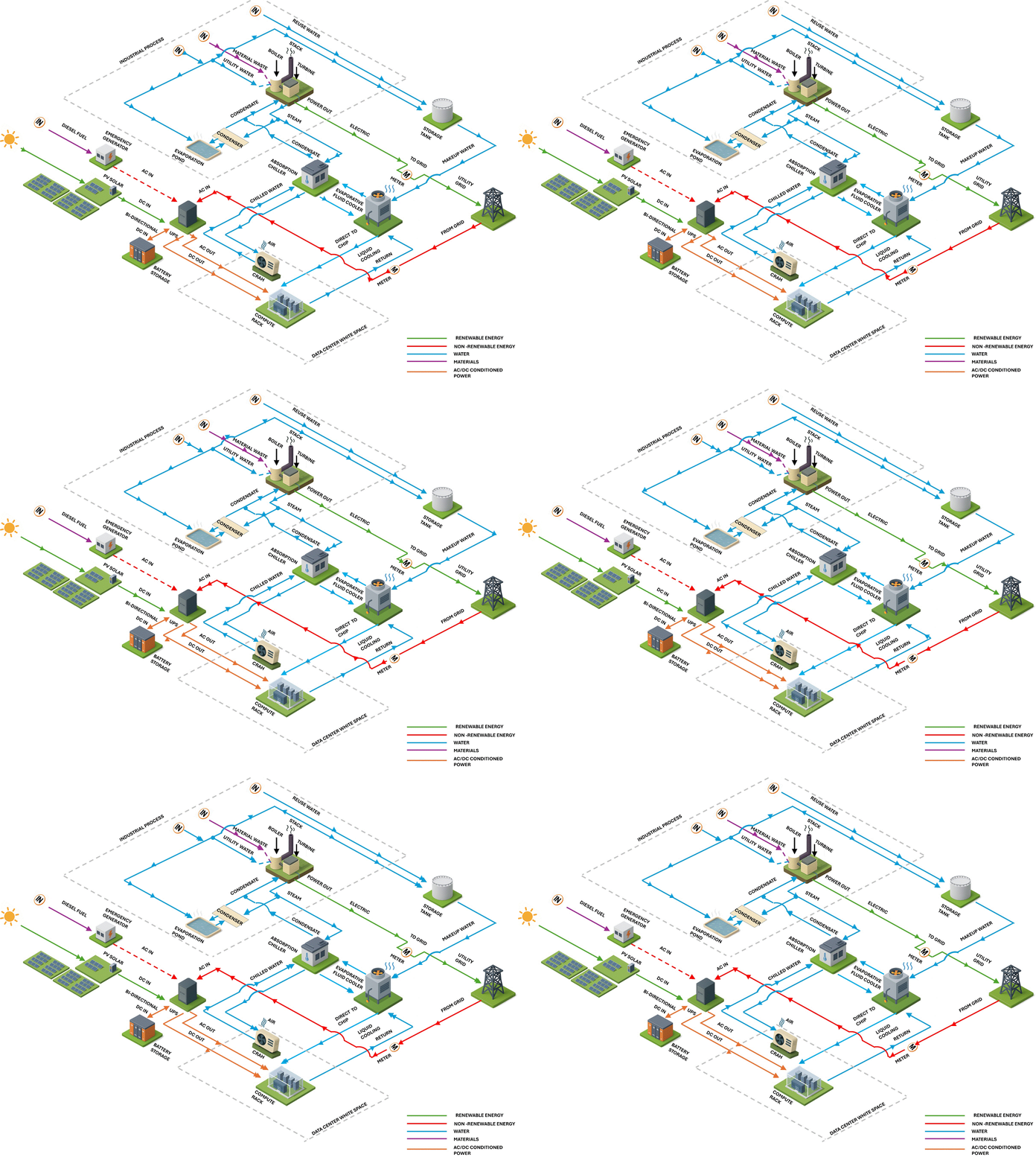
The design integrates directly with an adjacent biomass power plant that converts biowaste into electricity and fertilizer. By repurposing waste heat from the generation process, the facility improves overall energy efficiency, including the production of chilled water for data center operations. The data center also leverages reclaimed water from steam generation, further reducing demand on municipal water resources.

Key Design Strategies We Implemented

Power-first infrastructure planning:

We designed electrical systems to support grid connection, biomass integration, and primary and standby power using reciprocating engines and photovoltaic (PV) systems with the direct purpose of charging battery energy storage systems (BESS), providing multiple pathways for reliability and energy resilience.

Waste heat utilization:

Thermal integration with the biomass plant enables waste heat recovery, improving overall system efficiency.

Alternative water sourcing:

SSOE identified non‑potable water from a neighboring treatment facility for cooling and fire protection, reducing reliance on municipal water infrastructure. Recycled water systems, water recapture, and greywater reuse were also validated as sustainable water-saving strategies.

Multi-tenant and AI-ready architecture:

We designed the facility to support multiple end users with varying rack densities, security requirements, and cooling strategies, including liquid cooling for high-density and AI workloads.

Design Innovation and Technology

Our architectural team led the “Nature to Network” design concept, integrating materiality, sustainability, and future growth into a cohesive architectural expression that’s both operationally efficient and neighborhood-responsive.

Using Autodesk Forma (previously known as Autodesk Construction Cloud or ACC), we captured client requirements during design development through real-time collaboration and developed a replicable equipment arrangement strategy to support core data center functions and phased expansion.

We conducted performance studies within Forma Site Design to evaluate solar access, wind, acoustic impacts, and façade materials for embodied carbon reduction. Our capacity study assessed on-site photovoltaic potential for supplemental renewable generation.

The Scale of Impact

At full buildout, the facility we designed could consume as much electricity annually as approximately 13,000 homes—reinforcing the importance of designing power generation, efficiency, and scalability as an integrated system from the start.

Part Two: What This Means for Your Project


Applying Power-First Design to Your Data Center

The biomass integration project demonstrates a fundamental shift in how data centers can be designed—but the underlying principles apply far beyond biomass. Whether you’re facing power grid constraints, rising energy costs, sustainability mandates, or the demands of AI workloads, SSOE can help you design a power-first data center strategy tailored to your specific circumstances.

Your Challenges, Our Solutions

Are you facing power availability constraints?
We can design integrated power generation strategies combining on-site generation, grid connection, renewable energy, and standby systems to create reliable, resilient power pathways that don’t depend solely on strained utility infrastructure.

Need to reduce energy costs and improve efficiency?
Our thermal integration strategies can help you capture waste heat, optimize cooling systems, and design for maximum energy efficiency. We’ll evaluate opportunities for combined heat and power (CHP), renewable energy integration, and advanced cooling technologies specific to your site conditions.

Required to meet sustainability and ESG goals?
SSOE can help you incorporate renewable energy sources, alternative water strategies, embodied carbon reduction, and circular economy principles into your facility design. Our team uses advanced modeling tools to quantify environmental impacts and optimize sustainability performance from day one.

Planning for AI and high-density workloads?
We design flexible infrastructure scaling from traditional rack densities to 100+ kW AI deployments. Our multi-tenant approach supports diverse cooling strategies—including liquid cooling—and varying security and power requirements across a single facility.

If you’re planning multiple data center locations, we can develop a standardized design framework that maintains consistent performance targets while adapting to site-specific conditions. This approach reduces design costs, accelerates deployment timelines, and ensures predictable operational performance across your portfolio.

Technology-Enabled Design Process

We leverage cutting-edge design technology to optimize your project outcomes:

  • Real-time collaboration platforms to capture and refine your requirements throughout the design process.
  • Site performance analysis tools to evaluate solar potential, wind impacts, acoustics, and material choices.
  • Capacity studies to assess renewable energy integration opportunities.
  • 3D modeling and visualization to communicate design intent and facilitate stakeholder alignment.
The Power of Early Planning

The most critical lesson from our biomass project is this: power strategy must drive design from the beginning, not constrain it at the end. When power generation, thermal management, water sourcing, and scalability are established early in planning, you gain the flexibility to build a facility that meets both today’s needs and tomorrow’s growth.

Ready to Design Your Next-Gen Data Center?

Whether you’re exploring alternative energy sources, expanding existing capacity, or planning a greenfield facility, SSOE brings the expertise to integrate power strategy, operational efficiency, sustainability, and scalability into a comprehensive design solution. Our team has the technical depth and collaborative approach to navigate complex energy partnerships, site constraints, regulatory requirements, and future-ready infrastructure planning—delivering data centers that are resilient, efficient, and built for long-term success.

Learn how SSOE can apply these strategies to your data center project.

Contact:

Brandon Darroch
Facilities Division Manager | Vice President
bdarroch@ssoe.com